

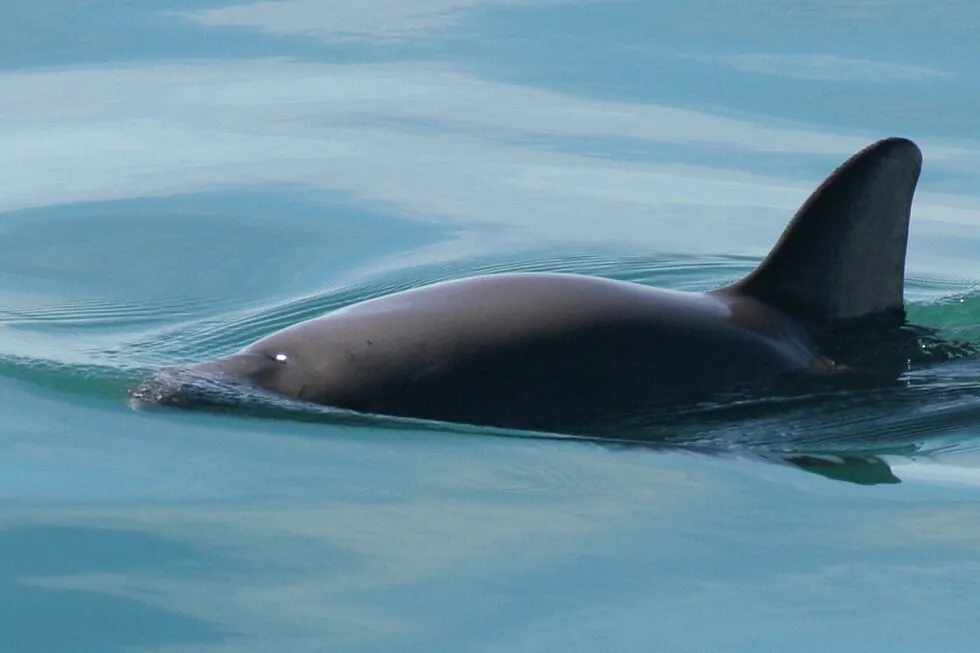
Mexico reduces vaquita protection zone to balance fishing activity
MEXICO CITY (AP) — Mexico reported on Friday an “adjustment” in the protection zone for the vaquita porpoise, the most endangered marine mammal in the world, a measure that, according to the government, will allow the conservation of the species to be balanced with fishing activity in the northern Gulf of California, but which environmentalists consider a very worrying reduction for the survival of the small porpoise.
As explained by the Ministry of the Environment in a statement, the agreement was made during a meeting between different entities of the federal government, the states of Baja California and Sonora, local authorities and fishermen's organizations.
For two decades the area where the vaquita lives has been protected - which is now only the north of the Gulf, also known as the Sea of Cortez -, with the consequent criticism from fishermen who see their activity affected, because this implies that there is an area where all fishing is prohibited (the zero tolerance zone), and a larger area where Yes, you can fish but the use of gillnets is prohibited, as the cow gets entangled in them.
Despite this ban, these illegal nets have continued to be used, especially for totoaba fishing. This is a fish similar in size to the vaquita, with a swim bladder that is highly coveted in China and whose trade, controlled by organized crime, is a lucrative source of income in the area.
The result has been a constant reduction in the number of vaquita specimens sighted (in 1997, 600 were counted, a hundred times more than in 2024), which could be stopped in 2025. In any case, an expedition carried out in September of last year could only count between 7 and 10 specimens, an extremely low number.
This week's agreement reduces the area of prohibition of gillnets, but announces greater controls so that such prohibition is enforced, explained Enrique Sanjurjo, of the non-governmental organization Pesca ABC, which promotes environmentally sustainable fishing.
Sanjurjo considered that, if these controls are truly carried out and not as they have been until now, they could be something positive because “paper regulations and tolerated illegalities are the most harmful thing that has happened to the region.”
The environmental organization Center for Biological Diversity, based in Arizona, denounced that the agreement is a setback in vaquita conservation policies.
“Instead of expanding the application of the law, the government is handing over most of it from the vaquitas' habitat to the same fishing gear that kills them," said its representative in Mexico, Alex Olivera.
Marine mammals "do not stay within a box on a map, and scientists have repeatedly documented the presence of vaquitas outside the zero tolerance zone," he explained. "Reducing the scope of protection creates a risk that this species cannot afford."
Olivera also warned that other measures included in the agreement, such as opening passage channels in the zero tolerance zone or allowing night fishing - hitherto prohibited -, could complicate actions against illegal fishing.
However, the Mexican government assured that the new agreement will allow progress in conservation efforts, "while addressing a debt of social justice with the communities of the Upper Gulf of California.”